The Customer Was Not Angry About the Tacos
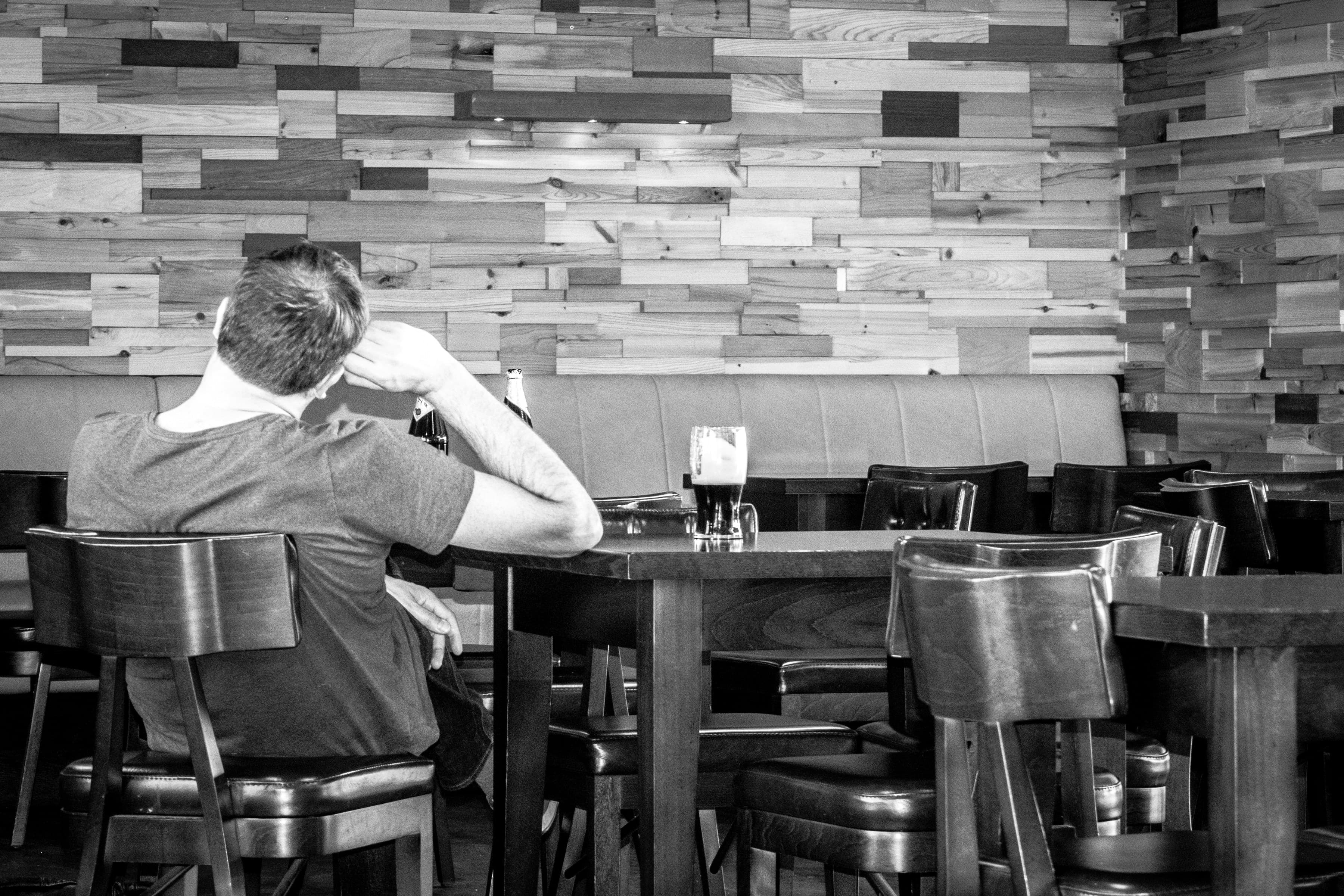
At first glance, he looked like a businessman.
Confident posture. Serious face. In a hurry.
He arrived with another younger man; maybe an assistant, employee, or business partner.
They did not look related, but there was clearly a hierarchy between them.
Before even sitting down, he asked:
"What do you have that comes out fast?"
I answered quickly.
"Grilled dishes take around 10 minutes. Mexican food is usually faster."
He nodded, parked the car, sat down, and asked again.
"What exactly from Mexican food?"
"Tacos, burritos, tortas…"
"I'll take tacos al pastor."
The younger man ordered a beef burger and a canned Coke.
From the very beginning, they looked rushed.
Phones.
Calls.
Messages.
Restless energy.
We moved quickly.
In around six minutes, their food was ready.
But before that, I made a small mistake.
I brought the Coke in a glass bottle instead of a can.
The younger man immediately raised his voice:
"I said canned."
I apologized and changed it immediately.
Then came another request from the younger man.
"Sorry to bother you… can you clean the rim? It looks dirty."
Honestly, to me, it did not seem like a real issue. The drink had a straw anyway.
But I still answered:
"Of course."
I cleaned it and brought it back.
By then, the younger man had disappeared into the restroom for several minutes while the food sat waiting on the table.
Eventually, they finished eating and asked for the bill.
Then another problem.
They handed me a $50 bill.
I had no change left.
I returned awkwardly and asked:
"Do you happen to have something smaller?"
The older man opened his wallet.
It was full of money.
Several $100 bills.
After searching for a while, he finally handed me a $20 bill.
Then he said it.
"The taco tortillas were hard."
Something inside me snapped.
Maybe not visibly.
But internally.
I immediately tried to explain it.
"Maybe the wind affected them…"
The restaurant is outdoors, and evenings can get windy.
He looked at me and replied:
"No. You are trying to defend the indefensible."
That sentence hit harder than I expected.
I answered:
"It is the first time someone tells us that."
Then, almost instinctively, I pointed toward another table.
"If you ask them how the food and service were, what do you think they would say?"
He calmly replied:
"Maybe theirs came out well."
Then he added something that stayed in my mind the entire night.
"I also own a business. Sometimes you just have to accept when you got it wrong."
At that point, I stopped resisting.
Not because I fully agreed.
But because I realized something important.
This conversation was never about tortillas.
It was about ego.
His.
Mine.
Maybe both.
As business owners, creators, developers, entrepreneurs, managers, whatever title we give ourselves, we slowly build emotional attachment to what we create.
Our work stops being "the product."
It becomes identity.
So when someone criticizes the product, it feels like they are criticizing us.
And that is dangerous.
Because sometimes we stop listening.
Not because we are bad people.
But because we are tired.
Tired from stress.
From debt.
From unstable teams.
From carrying responsibility every single day.
And when exhaustion mixes with pride, even small criticism feels personal.
But here is the uncomfortable truth:
Customers do not care how tired we are.
They only experience the moment in front of them.
That does not mean customers are always right.
Some people are impatient.
Some are arrogant.
Some walk into places believing money gives them superiority.
But even then, there is still something valuable hidden inside difficult interactions.
Tonight reminded me of something I had forgotten:
Sometimes people do not want explanations.
They want acknowledgment.
And sometimes the strongest thing a person can say is:
"You are right. We will improve that."
No defense.
No excuses.
No debate.
Just maturity.
Ironically, the customer also told me something encouraging before leaving.
"If you have survived three years, you must be doing something right. Otherwise, you would not still be here."
And he was right about that, too.
Although I also realized something else afterward.
Businesses do not always fail because of bad food or bad service.
Sometimes businesses die because the owners become emotionally exhausted.
Burned out.
Disconnected.
Empty.
That thought stayed with me long after they left.
Because maybe success is not only about surviving financially.
Maybe it is also about surviving emotionally while building something meaningful.
And maybe humility is not about thinking less of yourself.
Maybe it is simply the ability to listen without turning every criticism into a personal war.