I Thought Discipline Meant Never Stopping
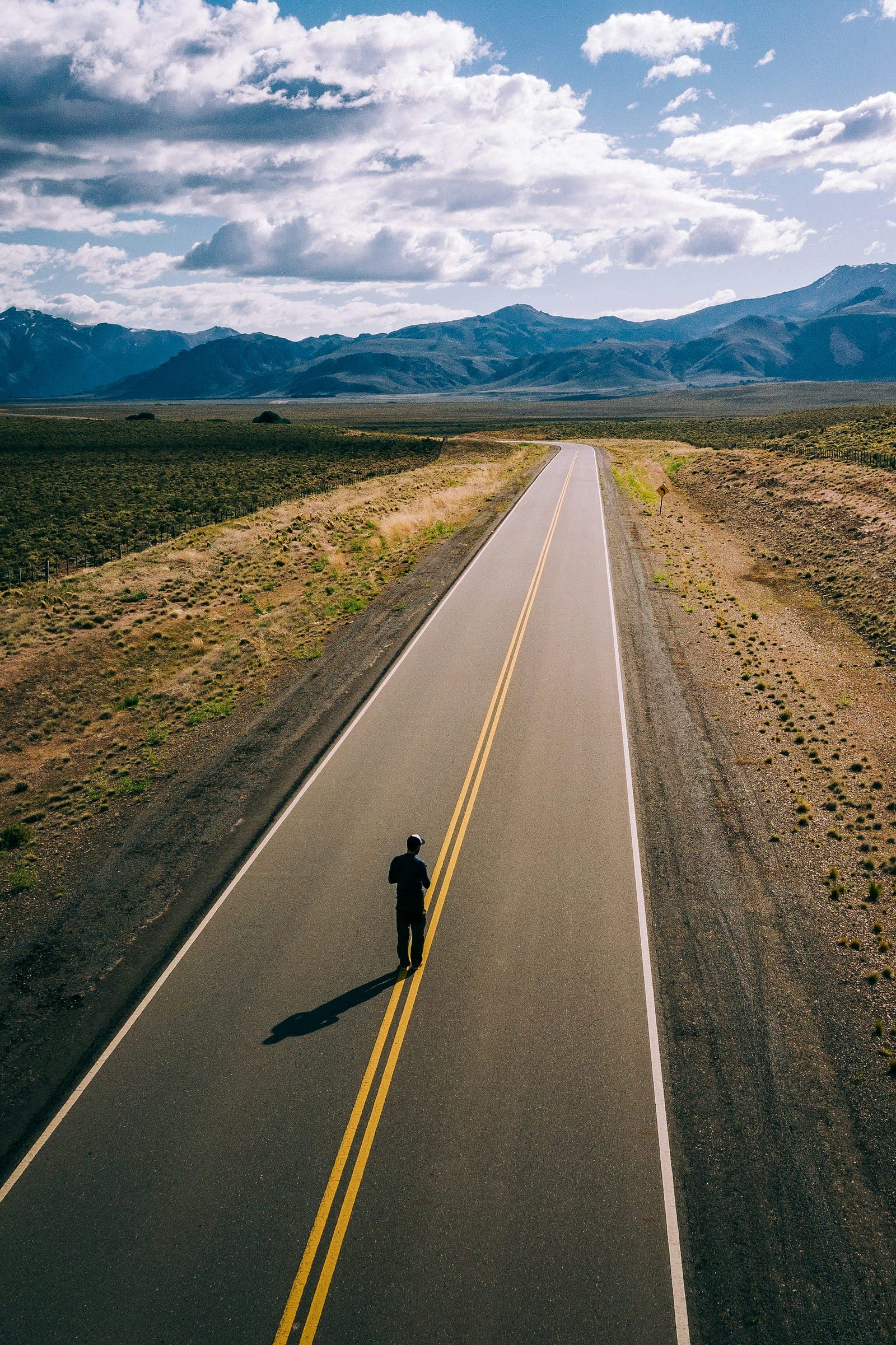
"Don't stop."
That thought had been following me for several minutes.
I wasn't racing anyone. There wasn't a finish line waiting ahead. No one would know if I slowed down except me. Yet, halfway through my morning run, I had become obsessed with proving one thing: that I could finish without walking even once.
Looking back, what fascinates me isn't that I wanted to keep running. It's why I believed stopping was unacceptable in the first place.
Somewhere over the years, I had accepted an unwritten rule: disciplined people don't pause. They push through discomfort. They ignore fatigue. They keep going when everyone else slows down.
For a long time, I admired that idea.
This morning, I realized it was incomplete.
Ironically, just a few days earlier I had written about recovery. I had explained how muscles don't become stronger while they're working. They become stronger afterward, during recovery. Stress starts the process, but recovery completes it.
Yet there I was, acting as if thirty seconds of walking would somehow erase weeks of progress.
I couldn't ignore the contradiction anymore.
So instead of trying to prove something, I decided to test something.
I slowed down. I walked for less than a minute until my breathing settled, then I started running again. A few minutes later, I repeated the process. Run. Recover. Run again.
When I arrived home and looked at my watch, I smiled.
I had covered more distance than I usually do when I stubbornly refuse to stop.
That wasn't the surprising part.
The surprising part was what happened in my head.
Instead of asking, "Why did the pauses help me run farther?" I found myself asking a much bigger question.
Have I misunderstood discipline all these years?
We Celebrate Endurance. We Rarely Celebrate Recovery.
Think about the stories we admire.
The entrepreneur who sleeps four hours a night.
The athlete who trains through pain.
The employee who never takes a vacation.
The student who studies until sunrise.
We applaud relentless effort because it looks impressive. We associate exhaustion with commitment and constant movement with progress. Somewhere along the way, we quietly concluded that slowing down must mean we're falling behind.
But nature doesn't agree with us.
The heart contracts and relaxes. The lungs inhale and exhale. The seasons alternate between growth and dormancy. Even the strongest ecosystems operate in cycles of activity and recovery.
Nothing in nature performs at maximum intensity forever.
Why do we expect ourselves to?
My Body Wasn't Asking Me To Quit. It Was Asking Me To Listen.
The more I reflected on that run, the more I realized something important.
My body wasn't trying to sabotage my goal. It was trying to protect it.
When we stay under continuous physical or mental stress, our nervous system remains on high alert. Breathing becomes less efficient, muscles tighten, concentration declines, and eventually the quality of our effort begins to drop. We feel like we're working harder, but in reality we're simply spending more energy fighting fatigue.
A short pause changes that.
Your heart rate settles. Your breathing becomes more efficient. Your muscles release unnecessary tension. Within moments, your body is capable of producing quality effort again.
The pause didn't steal performance.
It restored it.
That realization doesn't belong only to runners.
It belongs to anyone trying to build something that lasts.
The Brain Has Been Trying To Teach Us The Same Lesson
After I got home, I started reading more about what had happened.
What I found was fascinating.
Neuroscientists have discovered that learning doesn't stop when practice stops. During short periods of rest, the brain continues processing what it just experienced. It quietly strengthens neural pathways, organizes information, and consolidates new skills.
In other words, some of the most important work happens when it looks like nothing is happening.
Suddenly, so many everyday experiences made sense.
Why writers often discover the perfect sentence after stepping away from the keyboard.
Why programmers solve a difficult bug while taking a shower.
Why musicians sound better after a short break.
Why sleeping on a problem so often leads to a solution the next morning.
Recovery isn't separate from learning.
Recovery is one of the mechanisms that makes learning possible.
Maybe This Is Why So Many Good Habits Die
I wonder how many habits disappear not because people lack discipline, but because they've been using the wrong definition of discipline.
We miss one workout and tell ourselves we've lost momentum.
We skip one morning of writing and decide we're no longer consistent.
We take a few days off from learning a language and convince ourselves we've failed.
The pause isn't what ends the habit.
The story we attach to the pause does.
When every interruption becomes evidence that we're weak, quitting almost becomes inevitable.
But what if we've been blaming ourselves for something that was never the real problem?
What if the pause wasn't failure at all?
What if it was simply part of the rhythm?
That single shift changes everything.
Now the goal is no longer perfection.
The goal is returning.
I Think I Had Discipline Completely Wrong
For years, I believed discipline meant refusing to slow down.
Now I think discipline is something much quieter.
It's trusting yourself enough to pause without fearing you'll never come back.
It's knowing the difference between recovery and surrender.
One prepares you for the next step.
The other convinces you there shouldn't be one.
That distinction seems small.
I don't think it is.
It changes how you train.
How you learn.
How you work.
How you build a business.
Even how you treat yourself on difficult days.
Because once you stop treating every pause like a defeat, you stop living inside an exhausting cycle of guilt.
Instead of asking, "How much can I force myself to do today?" you begin asking a better question.
"How can I build a rhythm I'll still be able to follow five years from now?"
That's a completely different mindset.
And I suspect it's the one long-term high performers quietly adopt.
Then I Started Seeing It Everywhere
The longer I sat with this idea, the more I realized the run had simply exposed a pattern that had been present throughout my life.
I've seen it in writing. Some of my best ideas have appeared after walking away from the keyboard, not while staring harder at the screen.
I've seen it in software engineering. There have been bugs I couldn't solve after an hour of intense focus, only to recognize the answer minutes after taking a break.
I've seen it while helping run our family restaurant. The clearest business decisions rarely come in the middle of chaos. They come afterward, when the pressure settles and there's finally space to think.
And if I'm honest, I've seen it in life itself.
Looking back, I don't think I've grown the most during the busiest seasons.
I've grown after them.
After losing a job.
After difficult conversations.
After setbacks I didn't expect.
After slowing down long enough to understand what the previous season had been trying to teach me.
Maybe growth has always happened during recovery.
I just hadn't recognized it.
The Lesson I'll Carry Into Tomorrow
Tomorrow morning, I'll probably go for another run.
I'll still challenge myself.
I'll still try to improve.
I'll still chase one more kilometer than yesterday.
But I won't measure discipline the same way anymore.
I no longer believe disciplined people are the ones who never stop.
I think they're the ones who never let a pause become permission to quit.
Because stopping isn't what destroys progress.
Quitting does.
So if you're building a healthier body, learning a new skill, growing a business, repairing a relationship, writing your first book, or simply trying to become a little better than you were yesterday, remember this:
Progress isn't built through endless intensity.
It's built through a rhythm.
Effort.
Recovery.
Return.
Again and again.
Maybe that's what discipline has been all along.
Not the ability to keep pushing forever.
The confidence that every pause is temporary… because you already know you'll come back.